Signs that your skin is dehydrated

Skin that lacks moisture doesn’t just feel tight: it also loses its comfort, suppleness and radiance. Unlike dry skin, which is a skin type, dehydrated skin is a temporary condition that can affect all skin types, including combination and oily skin. That is why it is important to recognise the signs as soon as possible so that you can adapt your skincare routine accordingly.
What is dehydrated skin?
Dehydrated skin is skin that lacks water in its outer layers. When the skin barrier is compromised, water evaporates more quickly and the skin enters a vicious cycle: the more water it loses, the more uncomfortable it becomes and the more moisture it allows to escape. This condition can be exacerbated by cold weather, wind, pollution, UV rays, air conditioning, overly harsh cosmetics or certain medications.
Signs that your skin is lacking moisture
The first and most common sign is a tight, tugging sensation. The skin appears less supple, particularly after cleansing, showering or exposure to a dry environment. Next comes a dull complexion, which makes you look tired and less radiant, as the skin reflects light less effectively when it is dehydrated.
Fine lines caused by dehydration are another very tell-tale sign. They often appear around the eyes, on the cheeks or around the mouth, and should not be confused with established wrinkles. These may be accompanied by flaky skin, a rough texture, increased sensitivity and sometimes even compensatory overproduction of sebum, particularly in combination to oily skin types.
Another common sign is that make-up doesn’t sit as well. It clumps, settles into fine lines or highlights dry patches, which often indicates a lack of moisture rather than a lack of oil.
Why does the skin become dehydrated?
Dehydration can be caused by internal factors such as skin ageing, certain medical conditions, an imbalance in the skin barrier or the use of certain treatments. It can also be exacerbated by external factors: extreme temperatures, dry air, UV rays, pollution, unsuitable skincare products, shaving or hair removal. Stress, fatigue and lack of sleep also play a significant role.
The more compromised the skin barrier is, the greater the loss of water through evaporation. This is why an overly harsh skincare routine or a harsh environment can quickly cause the skin to become dehydrated.
Dry skin versus dehydrated skin: don't confuse the two
Dry skin mainly lacks lipids and sebum. Dehydrated skin, on the other hand, lacks water. Dry skin is therefore a permanent skin type, whilst dehydrated skin is a temporary condition that can affect anyone. This is why a cream for dry skin does not serve exactly the same purpose as a product designed to rehydrate skin that is lacking in water.
What routine should you follow to restore proper hydration?
The first step is to gently cleanse the skin without stripping it. Next, it’s a good idea to incorporate a hydrating serum to provide targeted support, then finish with a cream that helps lock moisture into the skin and strengthen the skin barrier.
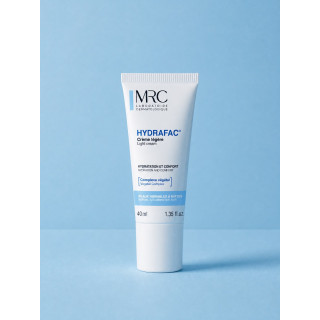
Hydrafac Light Cream is the ideal solution for skin that is lacking in moisture and in need of comfort without feeling heavy. It is the ideal skincare product to use when your skin feels tight, lacks suppleness or looks dull.
To optimise the skin’s hydration, it is also helpful to:
- drink enough water;
- avoid excessively hot showers;
- limit the use of harsh cleansers;
- protect the skin from external aggressors;
- apply a moisturising mask once or twice a week.
The right skincare routine for the face and body
We often focus on the face, but the body can also show signs of dehydration: rough skin, discomfort, flaking or a ‘crocodile skin’ appearance. For the body, lotions or creams are suitable for moderate dryness, whilst a balm or oil is more appropriate if the skin is very dry.
When should you seek advice or adjust your skincare routine?
If, despite following a good skincare routine, your skin remains rough, uncomfortable, feels very tight or is more reactive than usual, this often means that the skin barrier is still compromised. In this case, it is best to simplify your skincare routine, stop using products that are too harsh and go back to the basics: gentle cleansing, targeted moisturising and daily protection.
Share this content